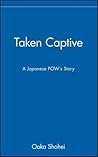
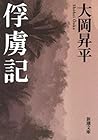
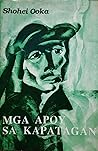
Author: Shōhei Ōoka
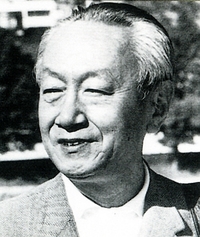
Shōhei Ōoka (Ōoka Shōhei / 大岡 昇平) was a Japanese novelist, literary critic, and translator of French literature active in Shōwa period Japan. He graduated from Kyoto University in 1932 and majored in French literature, publishing a series of essays on Stendhal and translating some of the French writer's novels. Called to arms in 1944 he was sent to the Philippines where he was taken prisoner by the Americans. During that time he set out to write a series of fiction and nonfiction works focusing on the condition of captivity. Indeed, Ōoka belongs to the group of postwar writers whose World War II experiences at home and abroad figure prominently in their works. Over his lifetime, he contributed short stories and critical essays to almost every literary magazine in Japan. His most important texts are: Ikite Iru Horyo ("Prisoners Alive"), 1949, Tsuma ("Wife"), 1950, Nobi ("Soldier Tamura's War"), 1950. The latter was awarded the Yokomitsu Prize, Japan's most important literary attestation, and the Yomiuri Prize. He resided extensively in Europe and the United States and taught at Japan's Meiji University.
- via GoodreadsIn Library
More by Shōhei Ōoka